 Policy & markets
Kuwait and Bahrain: Completing the GCC Six
Kuwait is awarding 1.1 GW at Shagaya on a 30-year PPA and Bahrain is tendering its first utility solar plant. Two unusual structures.
Read story The energy edit
TOPIC DESK
Energy policy and market coverage — regulation, tariffs, auctions, subsidies, power sector reform and the financing conditions that decide which projects get built.
Policy decides the pace of the energy transition more often than technology does. Arcnex Energy tracks the regulatory and market decisions that determine project economics across the Middle East and South Asia.
Coverage includes national renewable energy targets and strategies, auction and tender design, regulated tariff determinations, subsidy and net metering reform, power purchase agreement terms, utility restructuring, circular debt, and the cost of capital for projects in each market.
LATEST
27 stories on this desk.
Policy & marketsKuwait is awarding 1.1 GW at Shagaya on a 30-year PPA and Bahrain is tendering its first utility solar plant. Two unusual structures.
Read story Policy & markets
DEWA, ADNOC and TAQA each run their own supplier systems, and your offtaker may not buy equipment at all. A map of who registers whom in the UAE.
Read story Policy & markets
Oman is tendering 1.5 GW with more behind it and Qatar is building 2 GW at Dukhan. Two Gulf markets with real pipelines and thinner competition.
Read storyPolicy & marketsAbu Dhabi's offtaker is procuring gigawatt-scale solar toward 10 GW by 2030, under a structure capping the developer at 40 percent of the project.
Read storyPolicy & marketsSaudi projects carry local content obligations that decide which suppliers a consortium can use. How the requirement works, and why it matters.
Read storyPolicy & marketsDubai's seventh Solar Park phase pairs 2 GW of PV with a 1,400 MW battery over six hours. What the tender covers and why the storage matters.
Read story Policy & markets
A practical map of registration routes into Saudi energy procurement: which portal matches which buyer, and what documentation is standard.
Read storyPolicy & marketsBids for Saudi Arabia's 5.3 GW seventh renewable round closed on 14 September. The six projects, the qualified bidders, and what comes next.
Read story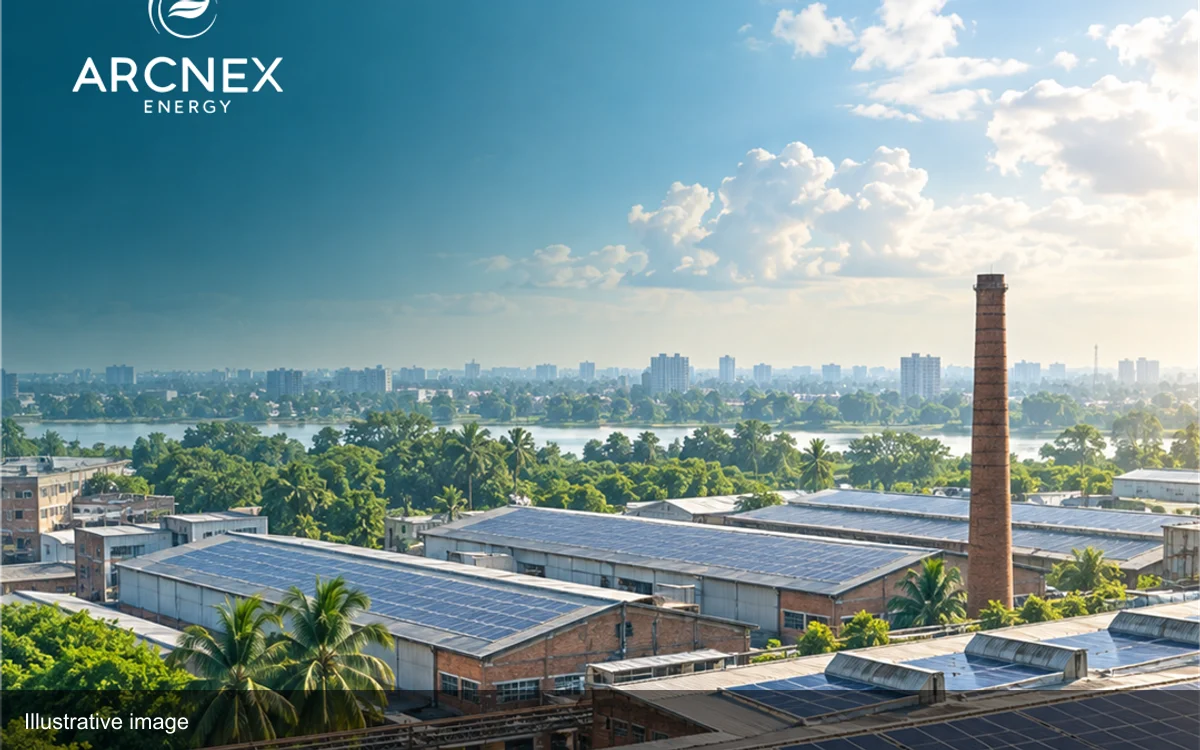 Policy & markets
A 9 September parliamentary response reiterated Bangladesh's 20% renewable target for 2030. Why land scarcity makes this a rooftop question.
Read story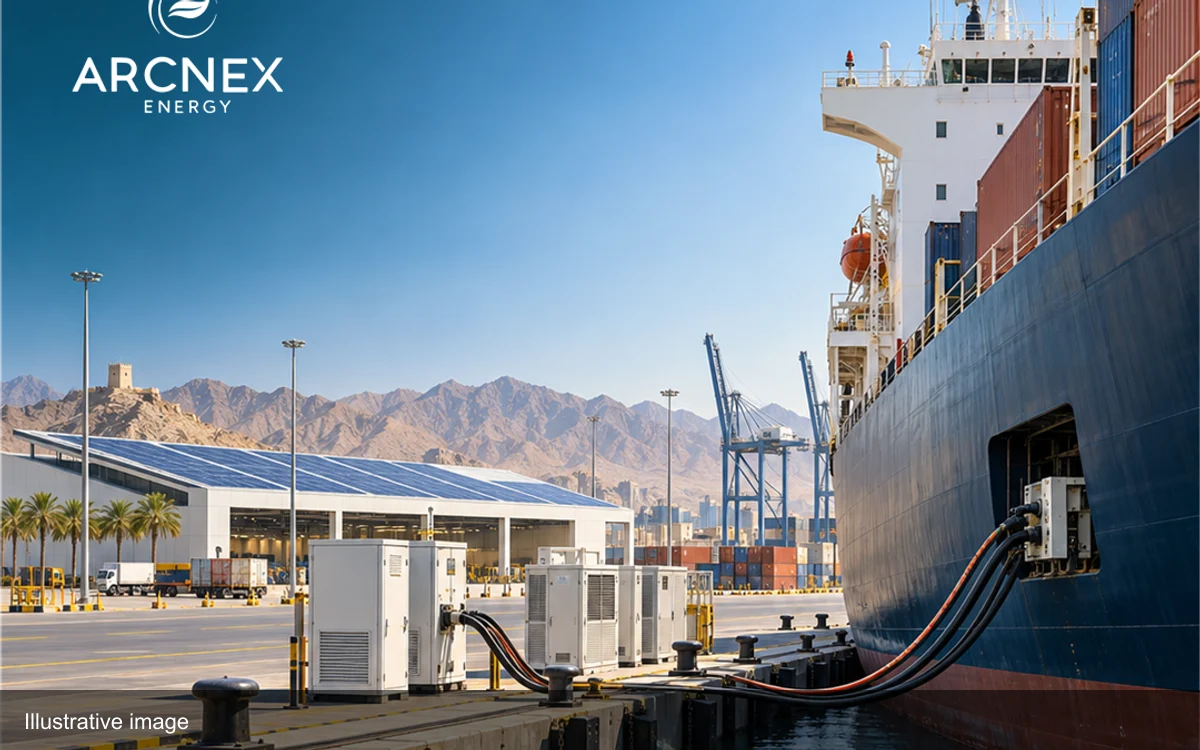 Policy & markets
Oman's transport ministry set out green-mobility plans including solar, batteries and shore power. Why ports are an unusual energy customer.
Read story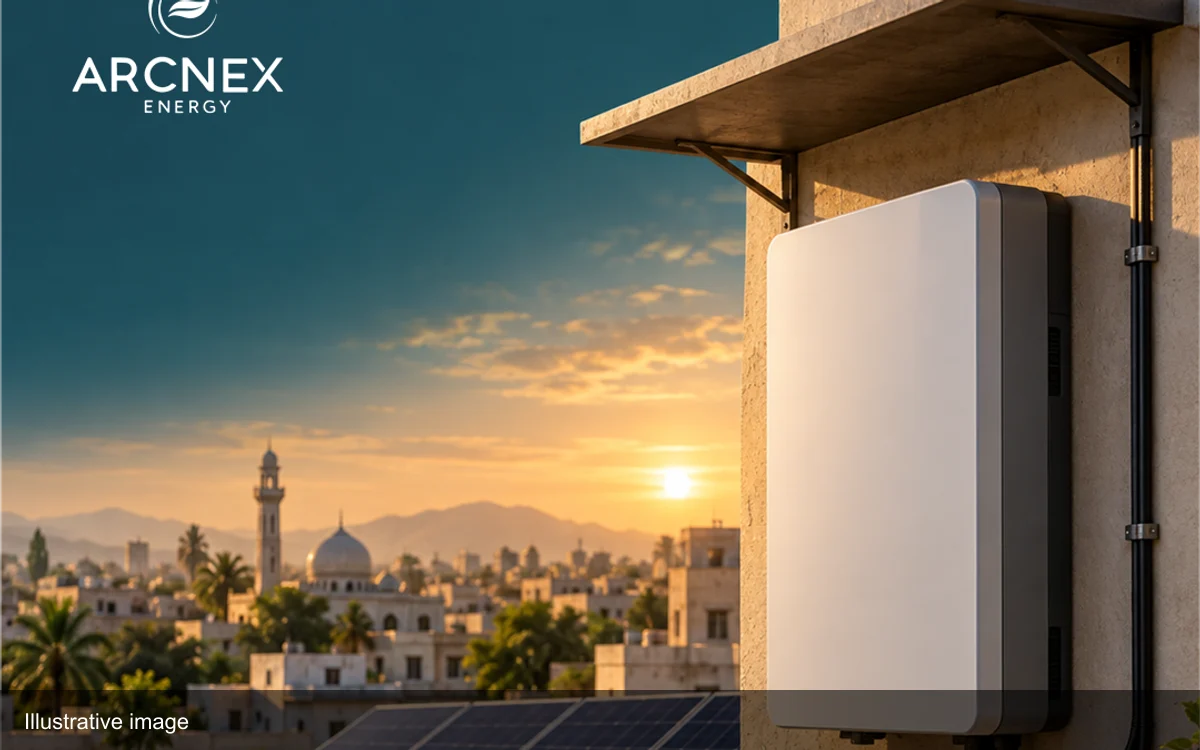 Policy & markets
Radio Pakistan reported on 3 September that the power minister backs solar and storage to cut peak-hour costs. What a policy statement establishes.
Read story Policy & markets
Solar reshapes demand into a curve that dips at midday and ramps at sunset. Why that causes curtailment and negative prices, and what fixes it.
Read story Policy & markets
Competitive auctions drove renewable costs down worldwide. How they are designed, why some produce undeliverable tariffs, and what makes one good.
Read storyPolicy & marketsThe PPA decides whether a renewable project can be financed at all. The terms that matter, how risk is allocated, and why offtaker credit sets price.
Read storyPolicy & marketsLevelised cost of energy makes generation technologies comparable, and hides things that matter. How it is calculated and where it misleads.
Read storyPolicy & marketsA grid battery rarely earns enough from one source. The markets storage participates in, why revenue stacking matters, and how contracts shift risk.
Read storyPolicy & marketsSri Lanka's economic crisis exposed the danger of fuel import dependence. How that shaped its renewable strategy, and the wider lesson.
Read storyPolicy & marketsBangladesh pioneered off-grid solar at scale, yet utility-scale renewables stay limited. Land scarcity explains the gap and shapes what's next.
Read storyPolicy & marketsIndia runs South Asia's largest renewable build-out through reverse auctions, transmission incentives and purchase obligations. How it works.
Read storyPolicy & marketsOman auctions land blocks with defined terms rather than negotiating hydrogen deals one by one. How that model works and why it is distinctive.
Read storyPolicy & marketsNEOM hosts one of the largest green hydrogen projects ever financed. How it is designed to work, why ammonia is the product, and what it proves.
Read storyPolicy & marketsThe UAE pairs record-cheap solar with nuclear baseload and an international clean energy portfolio. How the strategy fits together.
Read storyPolicy & marketsSaudi Arabia is building one of the world's largest renewable programmes while still exporting oil. The strategy, the structure, and what to watch.
Read storyPolicy & marketsNet and gross metering sound alike and pay very differently. How each settles your solar generation, and why it decides how you size a system.
Read storyPolicy & marketsUnits, slabs, fuel adjustments, duties and surcharges: a clear breakdown of every line on a Pakistani electricity bill, and which solar removes.
Read storyPolicy & marketsCircular debt sits under every electricity price decision in Pakistan. How the chain of unpaid obligations forms, and what actually reduces it.
Read storyPolicy & marketsNEPRA replaced net metering with net billing on 9 February 2026. What changed, who keeps the old rate, and how to size a system now.
Read storyANSWERS
A power purchase agreement (PPA) is a long-term contract under which a buyer — usually a utility or large consumer — agrees to purchase electricity from a generator at an agreed price. Its terms and the buyer’s creditworthiness largely determine whether a project can be financed.
Solar and wind projects have high upfront capital costs and near-zero fuel costs, so almost all of the electricity price is repayment of finance. A change in interest rates or perceived country risk moves the tariff far more than it would for a fuel-based plant.